
Is Morocco expensive? Understanding recent cost increases
Is Morocco expensive?: Planning a trip to Morocco? You might be thinking about the costs. Recent economic changes have raised the cost of living. Inflation hit 2.2% in the first quarter of 2025. This change affects both locals and travelers eager to explore Morocco.
The government is trying to control inflation. They’re subsidizing basic goods and watching prices closely. Yet, many families are finding it hard to cope with the rising costs. If you’re thinking of visiting or moving to Morocco, knowing the current costs is key to managing your budget.
Key Takeaways
- The cost of living in Morocco has increased due to recent economic changes.
- Inflation rose to 2.2% in the first quarter of 2025, affecting both locals and travelers.
- The government has implemented measures to control inflation, such as subsidizing basic goods.
- Understanding the current cost landscape is essential for managing expenses in Morocco.
- Travelers and residents alike need to be aware of the rising costs to plan appropriately.
The Current Cost Landscape in Morocco
To understand the cost landscape in Morocco, we need to look at recent economic changes. These changes affect the cost of living and traveling in this North African country. It’s key to know what influences these costs when planning a trip or considering moving here.
Recent Economic Changes and Inflation Impacts
Morocco’s economy has seen significant changes, with inflation hitting 2.2% in the first quarter of 2025. This increase is mainly due to a 3.7% jump in food prices and a 1.1% rise in non-food costs. The government is trying to control prices and help households, but challenges remain.
These economic shifts can impact your travel budget and living expenses. It’s important to stay informed about these changes.
Post-Pandemic Tourism Recovery Effects on Prices
The post-pandemic recovery has boosted tourism in Morocco, leading to higher prices. With more visitors, there’s a greater demand for places to stay, food, and services. This might raise costs, but it also offers a chance to explore Morocco’s culture and landscapes.
Being aware of these changes can help you better understand the local economy. This knowledge can aid in managing your expenses during your visit or stay.
Is Morocco Expensive? Breaking Down the Costs
Planning a trip to Morocco can fit any budget. Knowing the costs helps you plan better.
Average Daily Budget for Different Travel Styles
Traveling in Morocco can cost differently. Budget travelers spend about $30-50 daily. This covers basic places to stay, street food, and local transport.
Mid-range travelers spend $50-100 daily. They enjoy more comfort and eat at better restaurants. Luxury travelers spend over $200 daily. They stay in fancy riads and dine on fine food.
Seasonal Price Variations to Consider
Prices in Morocco change with the seasons. Peak season (October to April) means higher costs for places to stay and tourist services. Places like Marrakech get pricier then.
The off-season (May to September) is cheaper but hotter. It’s a good time to save money if you don’t mind the heat.
How Morocco Compares to Other Popular Destinations
Morocco is moderately priced compared to other places. A meal costs $3-10, like in Spain or Italy. Accommodation prices are also good, with options from cheap to luxury.
| Destination | Average Daily Cost | Meal Cost |
|---|---|---|
| Morocco | $30-200+ | $3-10 |
| Spain | $50-250+ | $5-15 |
| Italy | $60-300+ | $5-20 |
Understanding Regional Price Differences
Planning your trip to Morocco? Knowing the price differences by region can help you budget better. Morocco’s diverse geography and culture show in its prices. Whether you’re in cities, coastal towns, or rural areas, understanding prices can enhance your trip.
Tourist Hotspots: Marrakech and Casablanca Costs
Marrakech and Casablanca are Morocco’s top tourist spots, with prices to match. In Marrakech, expect to pay more for accommodations, food, and activities. A meal in a mid-range restaurant costs about 80-120 dirhams ($8-$12 USD) per person. A cup of coffee is around 20-30 dirhams ($2-$3 USD).
In Casablanca, prices are also high due to its economic status.
Coastal Cities: Essaouira and Tangier Pricing
Coastal cities like Essaouira and Tangier are more relaxed and budget-friendly. Essaouira has affordable accommodations, with riads and guesthouses priced lower than Marrakech. Eating out is also cheaper, with fresh seafood a highlight.
Tangier is a bit pricier but has its own charm. It offers more reasonable prices for lodging and dining compared to major tourist spots.
Off-the-Beaten-Path Locations: Budget-Friendly Alternatives
Travelers looking to save money should consider off-the-beaten-path locations. Saïdia, a coastal town in the northeast, has affordable living options. Rent can be as low as 4,000 dirhams ($400 USD) per month.
Other rural areas and smaller towns offer budget-friendly accommodations and an authentic Moroccan experience. Exploring these places can be rewarding and budget-friendly.
Accommodation Costs and Money-Saving Strategies
Accommodation costs in Morocco vary a lot. But, travelers can save money by knowing how to. First, it’s important to understand the different types of places to stay and their prices.
Riads vs. Hotels vs. Hostels: Price Comparisons
Morocco has many places to stay, from riads to hostels. Riads in Marrakech can cost between 7,000 to 12,000 dirhams ($700-$1,200 USD) a month. Hostels and shared places are much cheaper.
Think about what you need and if you can live without luxury. This will help you choose the best place for your budget.
Booking Tactics to Secure Better Rates
Booking early or last minute can get you a good deal. Also, travel apps and websites with discounts are helpful. Negotiating with hotel or riad owners for long stays can also save money.
Alternative Lodging Options: Homestays and Apartment Rentals
Homestays or apartment rentals are cheaper and more cultural. They save money and let you live like a local.
Negotiating Long-Term Stays
For long stays, ask for a discount. Talk to the owner or manager about it. Being flexible with dates and traveling in off-peak times can also get you a better price.
With these tips, you can enjoy Morocco without spending too much. Whether you want luxury, comfort, or something cheap, there’s a place for you.
Food and Dining Expenses on Any Budget
Morocco has a wide range of food options for every budget. From street food to fancy restaurants, you can find delicious meals without spending too much. This makes Morocco a great place for travelers with different budgets.
Street Food and Market Meals: The Budget Option
Local cafes and street food stalls offer affordable and authentic Moroccan food. Meals start at just 30 dirhams ($3 USD). You can try tagines, kebabs, and fresh bread for a taste of Morocco.
- Try traditional dishes like harira (a hearty soup) for a filling meal.
- Visit local markets to sample a variety of street foods.
- Don’t be afraid to try new flavors and dishes.
Mid-Range Dining Experiences and Costs
Mid-range restaurants offer better ambiance and service at a lower price. A meal here costs between 100-200 dirhams ($10-$20 USD) per person. They serve both traditional and international dishes, giving you a wider dining experience.
Self-Catering Possibilities and Grocery Prices
For those staying in self-catering places, buying groceries is a smart move. Morocco’s markets and supermarkets have fresh produce and essentials at good prices. A basic grocery basket costs around 200-300 dirhams ($20-$30 USD).
Traditional Foods That Offer the Best Value
Some traditional Moroccan dishes are both affordable and memorable. Couscous is a staple, often served on special occasions but also found in casual settings. Other great options include chakchouka (a spicy vegetable stew) and b’stilla (a savory pie).
- Couscous: A traditional North African dish made from semolina flour.
- Chakchouka: A flavorful vegetable stew that’s both healthy and filling.
- B’stilla: A savory pie that’s a specialty in Moroccan cuisine.
Transportation Costs Throughout Morocco
Traveling in Morocco can be affordable if you know the right ways to get around. The country has trains, buses, taxis, and car rentals. Each option has its own price tag.
Intercity Travel: Trains, Buses, and Grand Taxis
The train network in Morocco, run by ONCF, is both efficient and budget-friendly. There’s a monthly pass for those who travel a lot. Buses, like those from Supratours and CTM, are also cheap and cover many routes. For shorter trips, Grand Taxis are a good choice.
Getting Around Cities: Petit Taxis and Public Transit
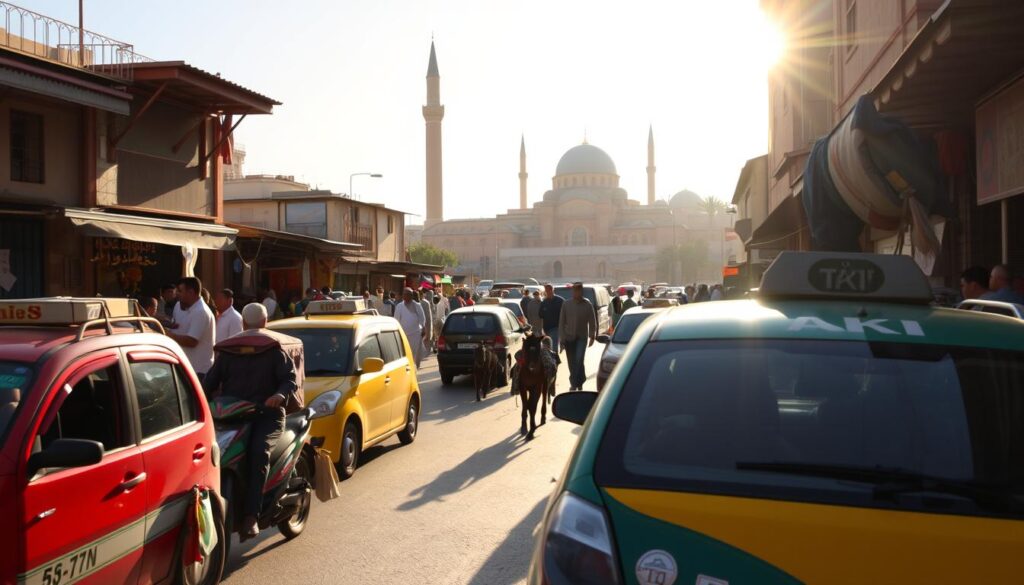
Petit Taxis are a great way to move around cities. They’re affordable and metered, so you know the cost. In cities like Rabat and Casablanca, buses and tramways are also cheap.
Car Rental Considerations and Fuel Costs
Car rentals give you freedom, perfect for exploring the countryside. Think about the car type and how long you’ll need it. Fuel prices in Morocco are fair, but remember to include them in your budget.
Transportation Passes and Discount Options
There are ways to cut down on travel costs. ONCF has different train passes with discounts for certain groups. Some bus companies offer deals for early bookings or loyalty. Always ask about any special offers when buying tickets.
By choosing the right transportation and using savings tips, you can travel Morocco without spending too much.
Sightseeing and Activities: Value vs. Cost
Morocco has lots of things to see and do, but knowing the prices is important. This helps you enjoy your trip without spending too much. When planning your trip, think about the value of different sights to get the most from your money.
Museum and Historical Site Entrance Fees
Many historical sites and museums in Morocco have affordable entry fees. For example, the Bahia Palace in Marrakech costs about 70 MAD (around $7.80 USD). Some places offer discounts for students and seniors, so ask about these when you get there.
Desert Excursions and Tour Package Analysis
Prices for desert tours vary a lot, based on the tour and what’s included. A 2-day desert tour from Marrakech might cost between $150-$300 per person. This includes things like where you stay, what you eat, and activities like camel rides.
Free and Low-Cost Authentic Experiences
Morocco also has many free or cheap ways to experience local culture. Exploring medinas, visiting markets, and trying street food are all affordable and enriching. For instance, eating at a local riad or café is a tasty and budget-friendly way to try Moroccan food.
Here’s a look at typical costs for some popular activities:
| Activity | Average Cost (USD) | Location |
|---|---|---|
| Visit to Bahia Palace | $7.80 | Marrakech |
| 2-Day Desert Tour | $150-$300 | From Marrakech |
| Meal at Local Riad | $5-$10 | Various Cities |
By looking at the costs and value of different activities, you can plan a great trip that won’t break the bank. Morocco has something for everyone, whether you’re visiting historical sites, going on desert adventures, or just enjoying the local culture.
Shopping Smart in Morocco’s Markets
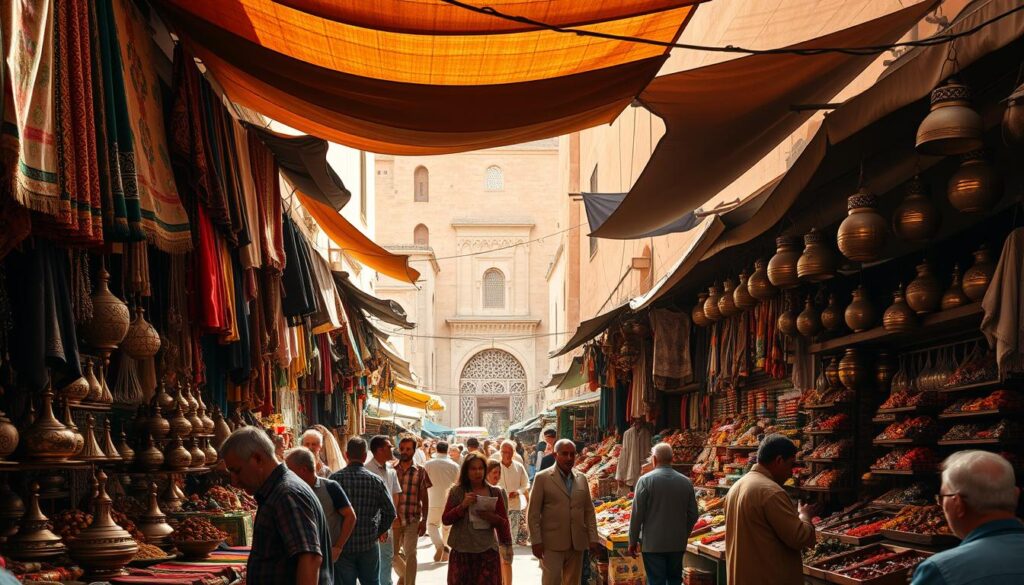
Shopping in Morocco’s markets is exciting but needs some smart moves. Knowing the local ways is key to a great shopping trip.
Haggling Etiquette
Haggling is a big part of Moroccan souks. First, learn the average prices of what you want. When you haggle, be polite and ready to walk away if the deal isn’t good. Here’s how to haggle well:
- Start with a low offer to leave room for negotiation
- Be willing to compromise on the price
- Don’t show too much interest in the item
- Use the local language to build rapport with the vendor
Identifying Fair Prices
To not pay too much, know the fair prices for souvenirs. Doing research before you go helps you buy smart. Here are some common souvenirs and their prices:
| Souvenir | Average Price |
|---|---|
| Traditional Moroccan tile | $10-$20 |
| Handmade carpet | $50-$100 |
| Local handicrafts | $5-$15 |
Avoiding Tourist Traps
To dodge scams and tourist traps, be careful in busy places. Watch out for vendors who seem too friendly. Here’s how to steer clear of trouble:
- Be aware of your surroundings and keep an eye on your belongings
- Avoid carrying large amounts of cash
- Research reputable vendors and shops
By using these tips, you can enjoy Morocco’s markets. You’ll save money and avoid scams.
Creating Your Morocco Budget: A Step-by-Step Guide
Planning your Morocco trip budget can feel overwhelming. But with a clear guide, you’re ready for your adventure. A good budget helps you manage costs, ensuring a fun trip without financial worries.
One-Week Budget Breakdown by Travel Style
A couple’s one-week Morocco budget can vary from 5,000 to 15,000 dirhams ($500-$1,500 USD). This depends on your travel style and where you stay. Here’s a basic guide:
- Luxury: 15,000 dirhams ($1,500 USD) – Includes top riads, fine dining, and guided tours.
- Mid-range: 8,000 dirhams ($800 USD) – Offers comfy stays, mid-range meals, and some activities.
- Budget: 5,000 dirhams ($500 USD) – Features hostels, street food, and free or cheap activities.
Money Management: Currency Exchange and ATM Tips
Understanding currency exchange and ATM use is key in Morocco. You can exchange money when you arrive or use ATMs. Watch out for ATM fees and exchange rates to avoid extra costs.
Using a debit/credit card with no foreign transaction fees can save you money. Also, having some local currency ready when you arrive is helpful.
Tracking Expenses with Apps and Tools
Use budgeting apps like Trail Wallet or Expense Manager to track your spending. These apps let you see your costs in real-time, helping you stay on budget.
“The key to a successful trip is not just planning but also tracking your expenses effectively.” – Travel Finance Expert
Building in a Buffer for Unexpected Costs
It’s smart to have a budget buffer for unexpected costs, like medical emergencies or last-minute changes. Setting aside 10-20% of your total budget for emergencies can give you peace of mind.
By following these steps and watching your spending, you can have a worry-free and memorable Morocco trip.
Conclusion: Enjoying Morocco Without Breaking the Bank
Morocco is a place full of culture and beautiful views. It’s a great spot for travelers. Knowing the costs of travel in Morocco helps you enjoy it without spending too much.
Planning well and knowing the local costs can make your trip affordable and fun. Morocco suits both those watching their budget and those ready to splurge. Just keep an eye on your spending, from where you stay to what you eat and do.
Using smart money-saving tips and understanding Morocco’s cost of living can enhance your trip. So, is Morocco pricey? Yes, it can be. But with the right strategy, you can explore its markets, architecture, and landscapes without spending too much.